
In the fast-evolving landscape of Search Engine Optimization, data is the ultimate currency. For years, digital marketing agencies and brands have operated with a clear divide: SEO metrics lived inside Google Search Console, while social media performance was locked away in individual platform dashboards.
Google just shattered that wall.
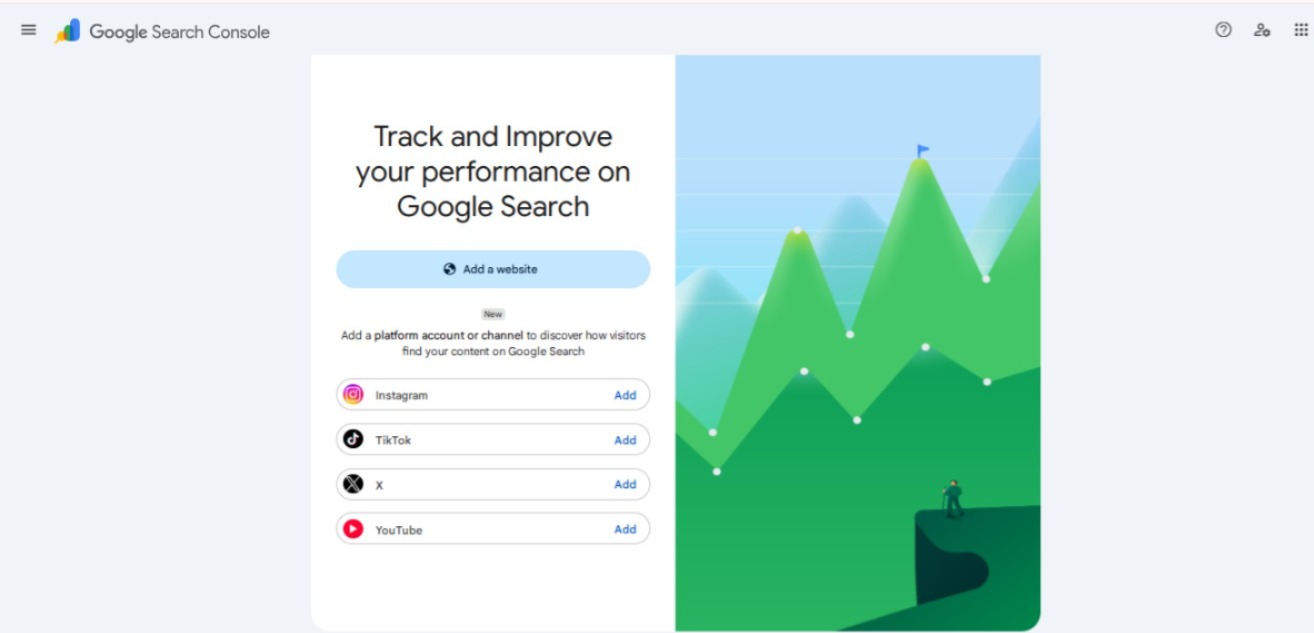
Officially rolling out on July 7, 2026, Google has introduced a monumental feature called “Platform Properties” within Google Search Console (GSC). This update allows businesses and SEO agencies to track organic Google Search traffic for social media handles right alongside standard website properties.
For modern brands, this is the missing piece of the omni-channel marketing puzzle. Let’s dive into what this means for your organic strategy, reporting ecosystem, and overall ROI.
What are GSC Platform Properties?
Google Search Console Platform Properties is a brand-new verification and tracking framework designed to monitor how non-website brand assets perform across Google Search and Google Discover.
Instead of just tracking domains or subfolders, you can now seamlessly connect and track the following four major networks:
- YouTube
- TikTok
- X (formerly Twitter)
Google Search Console Platform Properties is a 2026 update enabling businesses to link social media channels (YouTube, Instagram, X, TikTok) to GSC. This allows marketers to measure organic search impressions, clicks, CTR, and exact search queries driving traffic to social media profiles directly from Google.
The Strategic Advantage for Brands and Enterprise SEO
For an agency or an in-house marketing team, this update solves multiple long-standing attribution challenges:
1. Unified Search Visibility Reporting
Social media profiles often rank highly for brand terms, reviews, and high-intent informational queries. Previously, agencies had no clear way to report the exact volume of Google Search users navigating to a client’s Instagram or YouTube page. This feature bridges that reporting gap entirely.
2. Discovering High-Intent Social Keywords
By analyzing the specific search queries driving users to your social media content, your SEO team can identify valuable keyword clusters. If a particular TikTok video or Instagram post is gaining significant organic traction on Google, it serves as a proven proof-of-concept to build dedicated, high-converting landing pages on your main website.
3. Enhanced Competitor & SERP Domination
SEO is no longer just about ranking position #1 for a blog post; it’s about dominating the entire first page of Google (SERP). By tracking both web and social assets, you can optimize your brand’s overall footprint across standard links, video carousels, and social snippets.
Comparison: Web Properties vs. Platform Properties
Understanding the capabilities of this new asset class is crucial for accurate data mapping:
| Technical Metric | Standard Web Property | New Platform Property (Social) |
| Verification Logic | DNS TXT Records, HTML file upload, or Meta tags | Secure OAuth API login directly with the platform |
| Core Dataset | Crawl errors, Schema validation, Core Web Vitals, Security, Search Performance | Organic Search Performance exclusively (Impressions, Clicks, CTR, Position) |
| Asset Scope | Self-hosted domains, subdomains, subdirectories | Valid, authenticated brand handles & channel URLs |
| Primary Use Case | Technical SEO, UX optimization, and conversion tracking | Omni-channel attribution, social SEO, and content mapping |
Step-by-Step: How to Add Platform Properties to GSC
Setting up a platform property takes less than two minutes and doesn’t require developer intervention:
- Access GSC: Log into your primary Google Search Console dashboard.
- Initiate Property Addition: Click the property selection dropdown in the top-left corner and select “Add Property”.
- Locate Platform Accounts: Under the new dedicated section titled “Add a platform account or channel to discover how visitors find your content on Google Search,” identify your target network.
- Authorize the Connection: Click “Add” next to Instagram, YouTube, TikTok, or X.
- Secure Authentication: Complete the secure OAuth prompt using your brand’s social media credentials. Google will automatically verify ownership and initialize data collection.
Note: Data processing typically takes 24 to 48 hours to fully populate within a newly created platform property dashboard.
Frequently Asked Questions (FAQs)
Q1. Will this track internal social media algorithm traffic?
Ans: No. GSC Platform Properties only tracks organic traffic originating from Google Search engines (including Google Discover and Google Images). It does not track internal app feed metrics, shares, or explore page traffic native to those social networks.
Q2. Can digital agencies manage these properties via delegated user access?
Ans: Yes. Once the primary owner authenticates the social account, standard GSC user permissions apply. Agencies can be granted “Full” or “Restricted” access to view performance data without needing direct credentials to the client’s social media accounts.
Q3. Does this impact or conflict with existing Google Analytics 4 (GA4) setups?
Ans: Not at all. This operates independently at the search engine level, offering clean top-of-funnel impression and click data before a user ever interacts with your web assets.
Capitalize on the Future of Search
Google’s transition toward cross-platform tracking highlights a definitive trend: Search is fragmented, and user intent spans multiple mediums. Brands that continue to view SEO and Social as isolated silos will fall behind.
Integrating Platform Properties into your weekly data stack is an absolute necessity to maintain a competitive edge.
Supercharge Your Brand’s Multi-Channel Search Strategy. At Ranklyweb, we build sophisticated, data-driven SEO strategies that maximize your entire digital footprint. From technical site architecture to cross-platform visibility, let us help you scale your organic acquisition. Contact our strategy team today to schedule a performance audit.

